Flood & Surface Water Damage Q&A with Drew Saad, Chief Underwriting Officer
PURE Staff
April 28, 2025
Drew Saad leads our Underwriting and Product teams and is responsible for designing new coverage solutions to meet the needs of our membership.
Q: Why is the risk of flood and surface water damage often misunderstood?
A: I believe there are two main reasons. First, people tend to underestimate their flood risk. There is an assumption that unless a home is near a major body of water, its flood risk is low. Unfortunately, history has proven this to be untrue. Since 1980, 46 states have experienced a billion-dollar flood event.
Further, there is a widespread reliance on FEMA’s flood maps, but these don’t tell the whole story. In fact, FEMA reports that one in four flood claims are filed by homeowners located outside of what they categorize as a high-risk flood zone.
Across the membership, only 12% of members currently have flood coverage through PURE. Without coverage, PURE’s ability to serve members after a flood can be limited and the financial burden from a loss can be tremendous.
Second, the distinction between what’s covered by a homeowners policy and what’s covered by a flood policy can be confusing. Flood and surface water events are typically excluded from homeowners coverage. This means that separate supplemental insurance coverage is critical in avoiding coverage gaps.
While many people think of coastal storm surge when considering flood risk, surface water events driven by heavy rain are a more frequent and widespread cause of loss. Consider the southern Appalachian Mountains as an example, where Hurricane Helene caused catastrophic inland flooding after a four-day deluge of rainfall. Underestimating the risks has led to a very low take-up rate for an extremely important coverage.
Q: Why isn’t flood damage covered by a homeowners policy?
A: The answer dates back to the late 1920s and the Great Mississippi Flood, which caused catastrophic damage across six states in the Mississippi River Valley and held the title of the country’s greatest disaster until Hurricane Katrina hit.
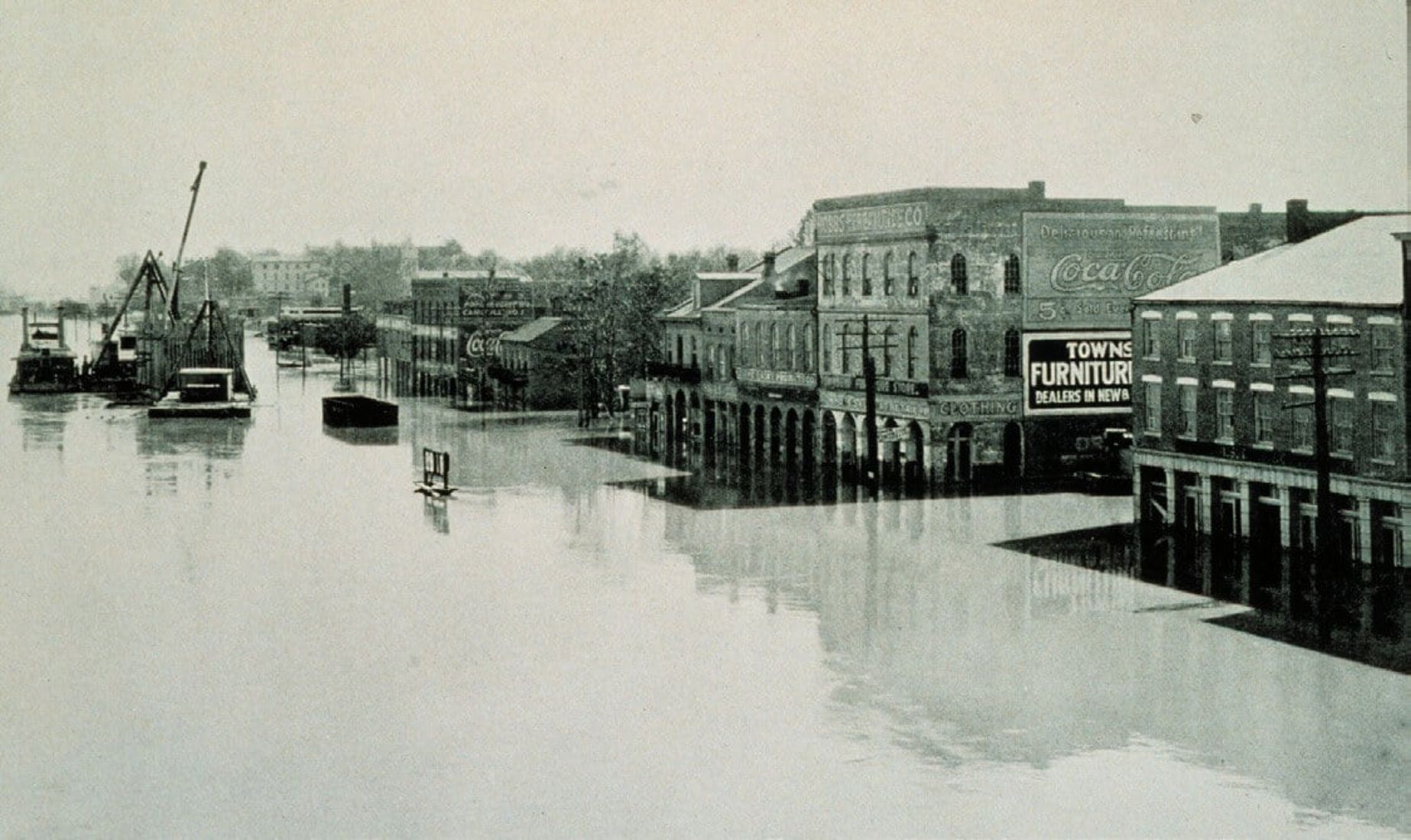
At the time of the Great Mississippi Flood, homeowners policies typically covered flood damage, but this event would show that the risk, extensiveness and unpredictability of the peril was too great for insurers to automatically include coverage in a standard homeowners policy.
It was excluded soon after and, once that happened, flood recovery relied primarily on federal disaster relief, charitable aid and limited private insurance solutions. This reactive approach often left homeowners without adequate financial protection, leading to the eventual creation of a more structured approach by the government—the National Flood Insurance Program (NFIP) in 1968.
Q: Why is flood insurance often handled differently than other types of coverage?
A: This is due to the scale of risk involved. While events like a burst pipe or house fire typically affect a single home, floods and surface water events can devastate entire communities at once. Coverage for flooding is most commonly provided by the National Flood Insurance Program (NFIP), but some insurance carriers provide their own standalone or supplementary solutions. Historically, PURE has offered members NFIP policies along with PURE Flood Advantage and Excess Flood endorsements to broaden the coverage.
PURE members and their families have a very unique set of needs. We are committed to creating new and enhanced products that help to better protect you from increasing risks, like flood.
Q: What does a flood policy typically cover?
A: Here are some examples:
Storm Surge During a Hurricane
A beachfront home is hit by a hurricane. Although the structure withstands the powerful winds, a storm surge causes several feet of saltwater to flow into the above-grade first floor, damaging floors, cabinetry, electrical systems and personal belongings.A flood policy would typically cover the structural damage to the home and major systems (like electrical and HVAC), debris removal and drywall replacement, as well as eligible personal property for the first floor and above, up to the policy limits.1
Flash Flood from Heavy Rain
A sudden and intense thunderstorm drops several inches of rain in just a few hours. The municipal drainage system is overwhelmed, and water flows downhill, entering a home’s basement through ground-level windows, resulting in soaked walls, flooring and stored items.Coverage for basements can be quite limited with many flood policies. Coverage is typically restricted for structural elements (like walls, floors and staircases) and essential systems. Personal belongings and most finishes (like carpeting or moldings) in a basement are typically not covered.1 PURE recognizes the importance of basement coverage for the membership and is making sure the ability to purchase the required limits of basement coverage is available in its new flood products.
River Overflow After Snowmelt
Following an unusually warm spell, rapid snowmelt causes a nearby river to overflow. Water surrounds and enters a home, causing damage to the flooring and interior walls.A flood policy would typically cover direct physical loss caused by the river overflow, including damage to both the above-grade structure and eligible contents.1
1. Coverage is subject to the actual terms and conditions of the policies issued. Please refer to your policy and talk to your broker for additional assistance in understanding how your specific coverage will apply.
Q: What is PURE doing to help members more comprehensively when it comes to water damage?
A: As part of our commitment to product innovation, PURE is introducing new flood and surface water solutions for the membership. These solutions are proprietary PURE products, designed to simplify and enhance flood protection through an endorsement offered on our homeowners policy for lower-risk locations. (For ineligible high-risk locations and members with unique exposures, speak with your broker about other products that may be available from a PURE-affiliated company.)
To improve your member experience, we are streamlining the quoting and billing experiences to make it easier for PURE members to add essential flood protection. Notably, our new proprietary solution will enable PURE adjusters to handle all aspects of a claim without needing to coordinate with NFIP or FEMA, ensuring we deliver the exceptional service our members expect.
These holistic solutions will offer critical coverage enhancements, including improved coverage options for basement improvements, basement contents and loss of use, as well as the application of a single deductible if a member needs to file both a flood and a homeowners claim as a result of the same event. For those who still need coverage through NFIP, PURE will continue to serve as a Write Your Own carrier.
We plan to launch these new solutions in late 2025. Initially, they will be offered in just a few states but will be available countrywide by the end of 2026.
What you can do to protect yourself
Flooding and surface water events are very challenging to mitigate and are becoming increasingly common and severe. This is all the more reason to take proactive steps to protect your home, such as:
- Ensuring proper soil grading around your home to help direct water away from the foundation.
- Combating the flow of water to your home with French drains and catch basins.
- Installing a sump pump that is sized appropriately for your home and equipped with battery backup and testing the battery annually.
- Ensuring proper gutter and downspout maintenance.
- And, most importantly, purchasing adequate limits of flood insurance. Talk to your broker about your specific risks and for help in deciding which PURE Flood Solution is right for you.