Beyond the Collection: Jeremy Padawer
Listen to the Jeremy's story
Read by Julie Ivy, Large Loss Claims Adjuster at PURE
Jeremy Padawer has spent a lifetime collecting. By age five, he was haggling for Indian Head pennies and baseball cards at flea markets. The instinct didn’t fade as he grew up—it evolved, eventually carrying him into a career shaping some of the world’s most recognizable toys.
Jeremy moved frequently throughout the South as a child. His father’s work required regular relocation. By thirteen, he had lived in eight different states. The constant change made him adaptable and pragmatic. The collecting became his through line.
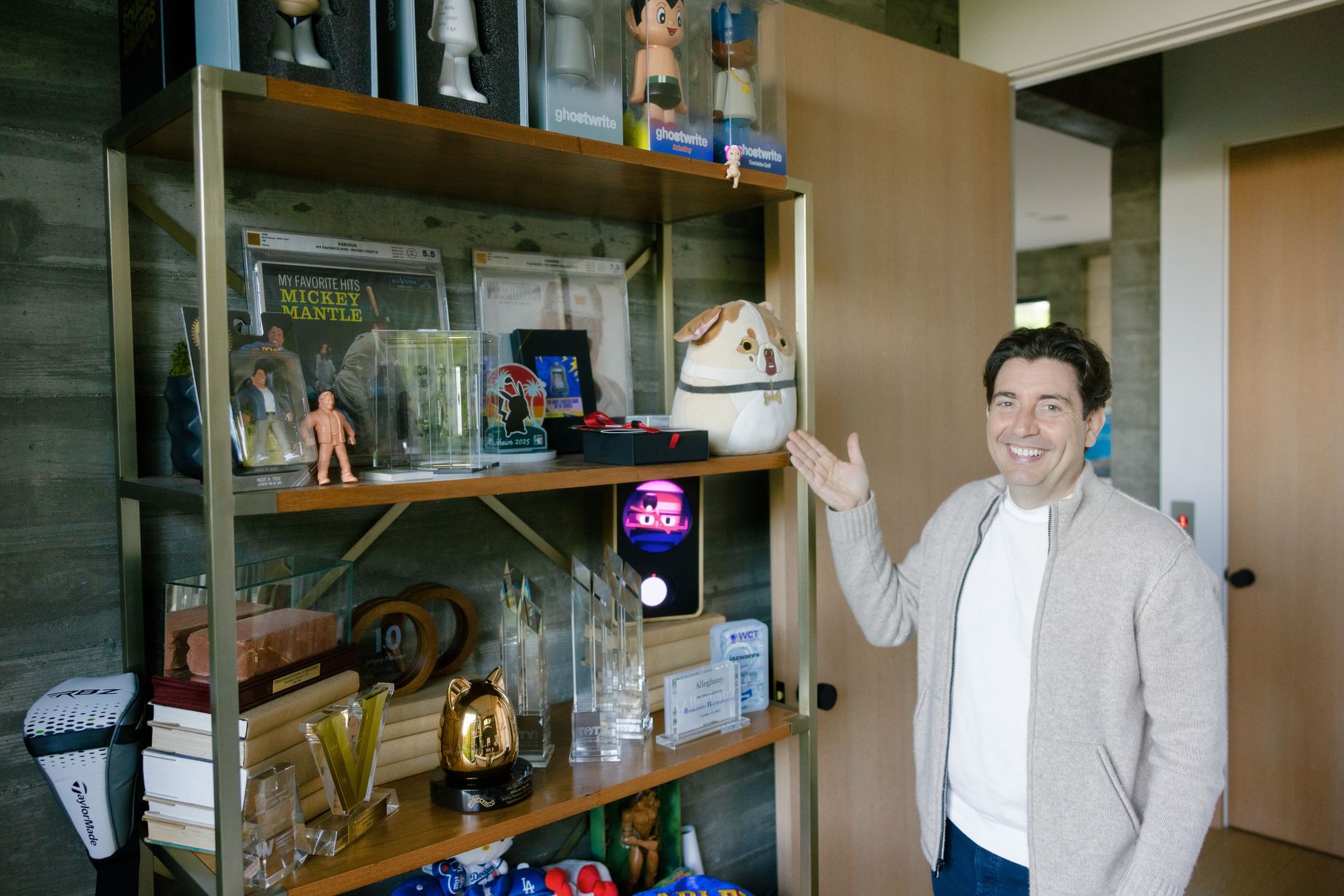
His older brother introduced him to garage sales and flea markets, teaching him to slow down and notice what others overlooked. Over time, Jeremy developed an eye for condition, rarity and provenance. He learned that objects carry stories and that stories carry value.
By high school, collecting was second nature: baseball cards, coins, stamps, historical newspapers. His approach became increasingly organized and intentional. “I was always very transactional,” Jeremy says. “But I was also passionate about what I was collecting.” The two instincts followed him into adulthood.
In the mid-1990s, Jeremy built websites devoted to collectibles and, in the process, began securing domain names. One later sold for $500,000—a transformative sum for the then 25-year-old that paid for his education.


After studying psychology, business and law and earning an MBA from Vanderbilt, Jeremy entered the toy industry. He helped build major entertainment brands and then went on to co-found Wicked Cool Toys, which became the global master toy licensee for Pokémon and developed Squishmallows—the plush toy that exploded into a cultural phenomenon.
The company’s rapid growth led to its acquisition, prompting Jeremy and his family to relocate to Pacific Palisades. The neighborhood felt established. With streets lined with homes from nearly every decade of the last century, it was the kind of place that suggested permanence. Wildfires weren’t part of the local story.

So, when smoke crested the hills above the Palisades, Jeremy didn’t panic. His primary concern was theft—the opportunistic kind that sometimes follows evacuations. He moved through the house methodically, documenting everything in photos and video.
When it was time to leave, the family didn’t take much, assuming they would return in a day or two. They didn’t.
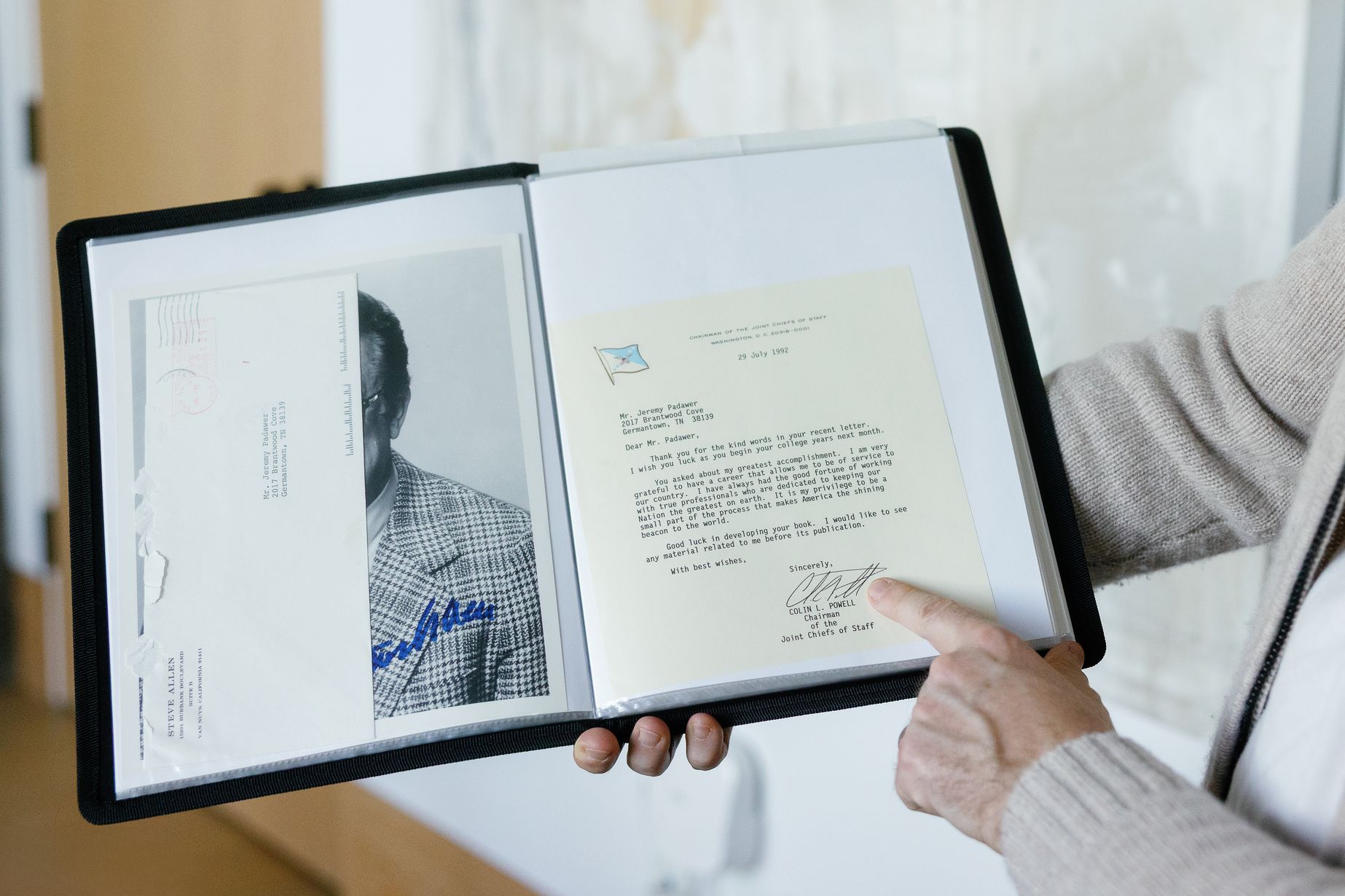
His younger daughter grabbed her childhood lovey and Jeremy took a small stack of LeBron James rookie cards—the only piece of his collection he carried out—and a book of handwritten letters he had held on to for decades. Writing to people he admired had been a pastime of his, even as a child.
He would send notes to figures such as Mother Teresa, Fred Rogers, Colin Powell and Ruth Bader Ginsburg, asking for their definition of success. The book contained their personal responses.
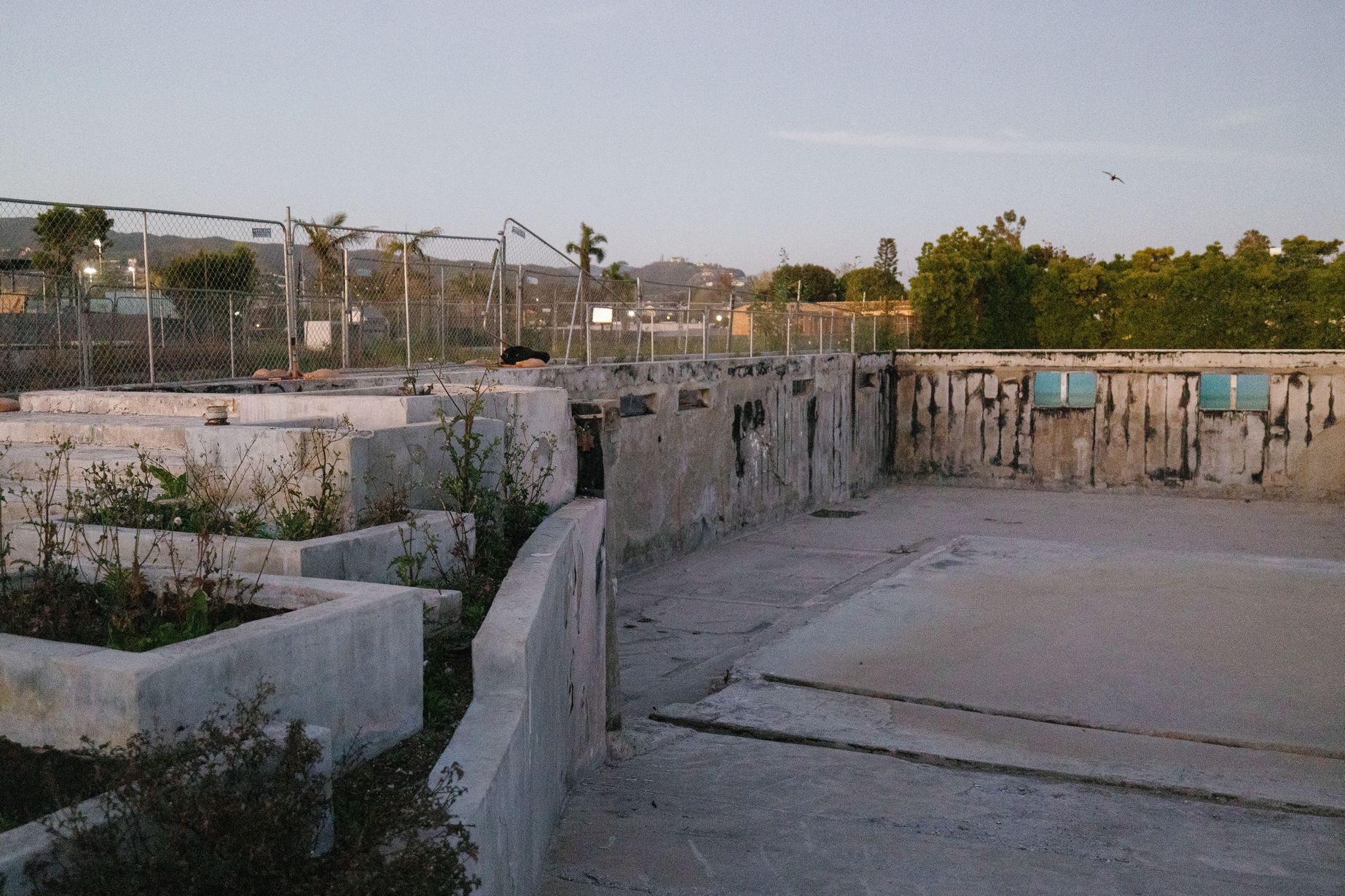
When the fire came down from the hills, it took everything. Not only was their home gone, the entire neighborhood was gone. The fireproof safe he had trusted to protect the most important items failed completely. Papers, cards, personal records and decades of collecting were reduced to ash.
Years earlier, Jeremy had made a deliberate decision about insurance—prioritizing protection and partnership. When the fire came, that decision mattered.

The PURE adjuster assigned to their claim contacted him directly and began walking through next steps, calmly and methodically. “I didn’t have to chase anyone,” Jeremy says. “They were already there, already working through it.”
PURE worked through the claim piece by piece, setting a steady pace and keeping the focus on what could be done next. Jeremy’s meticulous documentation of his collections was invaluable.
“It was calm,” he says. “It was clear. There was a sense that things were under control.” The financial impact, while significant, was manageable because the coverage was built for a moment like this.
What weighs on Jeremy most now is not the structure of the house or even the collection itself. It is the community—the school, the library, the grocery store, the neighbors who did everything right and still lost it all. The family chose to stay and rebuild in Pacific Palisades, not from inertia but commitment.
We believe in the Palisades. We love it here, and we want to contribute to rebuilding it. And as for me, I will continue collecting.
For years, Jeremy had imagined one final chapter to his collecting: a late-in-life auction celebrating the rare and one-of-a-kind pieces he had spent decades curating. That dream is gone. He will mourn it, but he does not mistake it for what matters most.
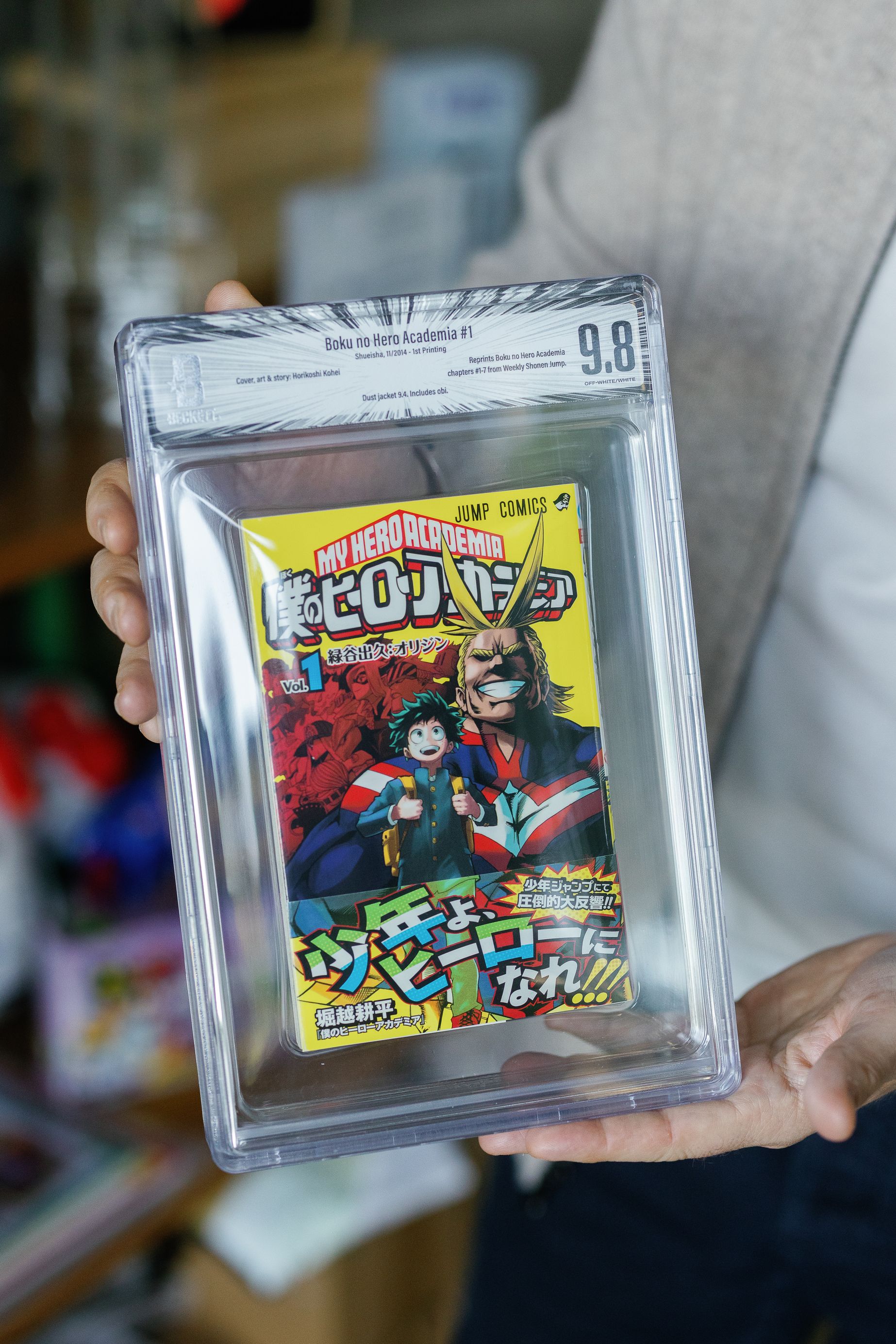
“I don’t need it to happen... I’ve been incredibly blessed with other dreams that more than make up for the loss of this one.” Jeremy says. “That includes a wife, kids, family, friends, pets, experiences, colleagues and business in a category that I absolutely adore—toys and collectibles.”
And after all, what matters most about collecting is not what can be counted or cataloged. It’s the habit of attention that made those things meaningful in the first place—and that has survived the fire intact.