Building Resilient Homes: Preparing for Wildfire
PURE Staff
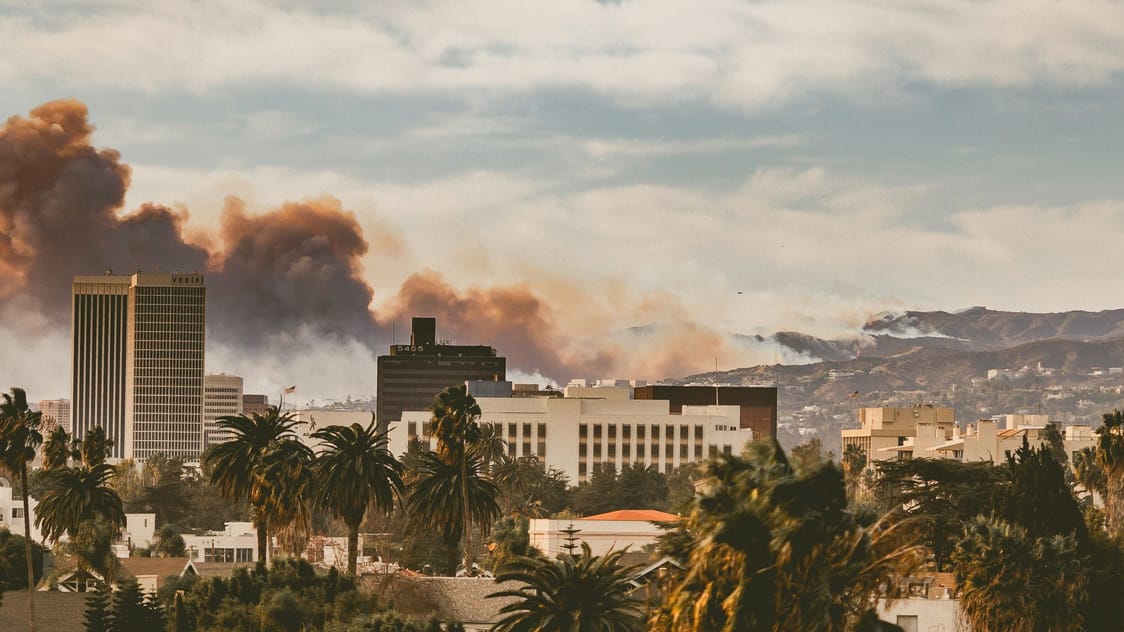
Across the country, wildfires are burning hotter and with more unpredictability than ever before. In 2021, a wildfire broke out near Boulder, Colorado, in a densely populated area that was considered a safe distance from fire-prone forests. In 2023, a series of deadly and destructive wildfires burned on the island of Maui in Hawaii. And, in 2025, the Eaton and Palisades fires became the second and third-most destructive wildfires in California's history. This increasing risk underscores the importance of building and maintenance techniques that make your home and the property surrounding it more resilient to wildfires.
Watch for three steps to reduce wildfire risk
The importance of wildfire protection
Today, nearly a third of all U.S. homes exist in the Wildland Urban Interface (WUI). The WUI is the area of land that exists between neighborhoods and nature, where homes overlap or sit alongside vegetation.
Wildfires are impacting communities across the U.S. year-round—not just in regions deemed 'wildfire prone' and not just during what we’ve previously known as 'wildfire season.'
Because of drier climate conditions and population growth in these areas, fires that develop in forests are increasingly feeding into neighborhoods through the WUI—and homes that are unprepared or not ignition-resistant can fuel these fires further. Proximity to neighbors also plays a role; with row homes or close construction, the safety of one property can impact the safety of those surrounding it.
One member’s $5 million Montana home was located in a WUI where wildfire quickly spread. The fire destroyed our member’s home and left only the fireplace remaining. Following the loss, our members decided not to rebuild their home and relocated to a new state.
Smarter building techniques
What is becoming clearer with each wildfire is that homeowners need to prioritize building smarter and preparing homes for extreme weather. In the first 24 hours after a wildfire breaks out, and sometimes beyond that, the fire stations near you will be focused on containing the fire and likely unable to respond to individual homes.
The right property maintenance can help slow the spread of fire, giving first responders more time to get to your property, and fire-resistant home building techniques could keep your home standing if it's threatened by a fire.

Maintain defensible space around your home’s perimeter
This tactic can slow or stop the spread of wildfire and give fire fighters a better chance at defending your home. This does not mean you have to forgo a beautifully landscaped yard. Defensible space involves strategically clearing and placing vegetation in order to produce a buffer between your home; other structures on your property; and the grass, trees, shrubs and native vegetation that surround them.
This tactic can slow or stop the spread of wildfire and give fire fighters a better chance at defending your home. This does not mean you have to forgo a beautifully landscaped yard. Defensible space involves strategically clearing and placing vegetation in order to produce a buffer between your home; other structures on your property; and the grass, trees, shrubs and native vegetation that surround them.

Install ember resistant venting
Wind-blown embers from wildfires can enter the home through attic vents, crawl spaces and gaps or crack in the home.
We recommend installing ember resistant vents or placing 1/8-inch or smaller wire mesh over all exterior vents and adding weather stripping around and under your garage door.
Wind-blown embers from wildfires can enter the home through attic vents, crawl spaces and gaps or crack in the home.
We recommend installing ember resistant vents or placing 1/8-inch or smaller wire mesh over all exterior vents and adding weather stripping around and under your garage door.

Install an exterior fire protection system
These systems can have pre-treatment capabilities in addition to a sensor-based emergency response, and many can alert you when the system is activated. Options include water-based, foam-based and gel-based systems that pre-treat your home and property perimeter in the event a wildfire is nearby.
These systems can have pre-treatment capabilities in addition to a sensor-based emergency response, and many can alert you when the system is activated. Options include water-based, foam-based and gel-based systems that pre-treat your home and property perimeter in the event a wildfire is nearby.
It takes a village: A community approach to wildfire mitigation
The safety of your home doesn’t stop at your property line. When you take the proper precautions to make your property more resilient to wildfire, it not only benefits your home but also the homes around you. Additionally, engaging with your neighbors and local safety officials on evacuation routes and property maintenance techniques can create a protective front for your home in a wildfire threat.
If you live in a WUI, your insurance company may be an added resource. Our Situation Room team provides members with updates as they are available, including information on the fire’s distance from and threat level to the home. At times, our claims team will reach out to members whose homes are within a fire's anticipated path to check in on their well-being and the state of their properties. If resources need to be deployed, response crews on the ground may inspect members’ properties; tape vents; move combustible materials away from structures; and, when necessary, treat the property with fire suppressant.