The Importance of Proper Tree Care
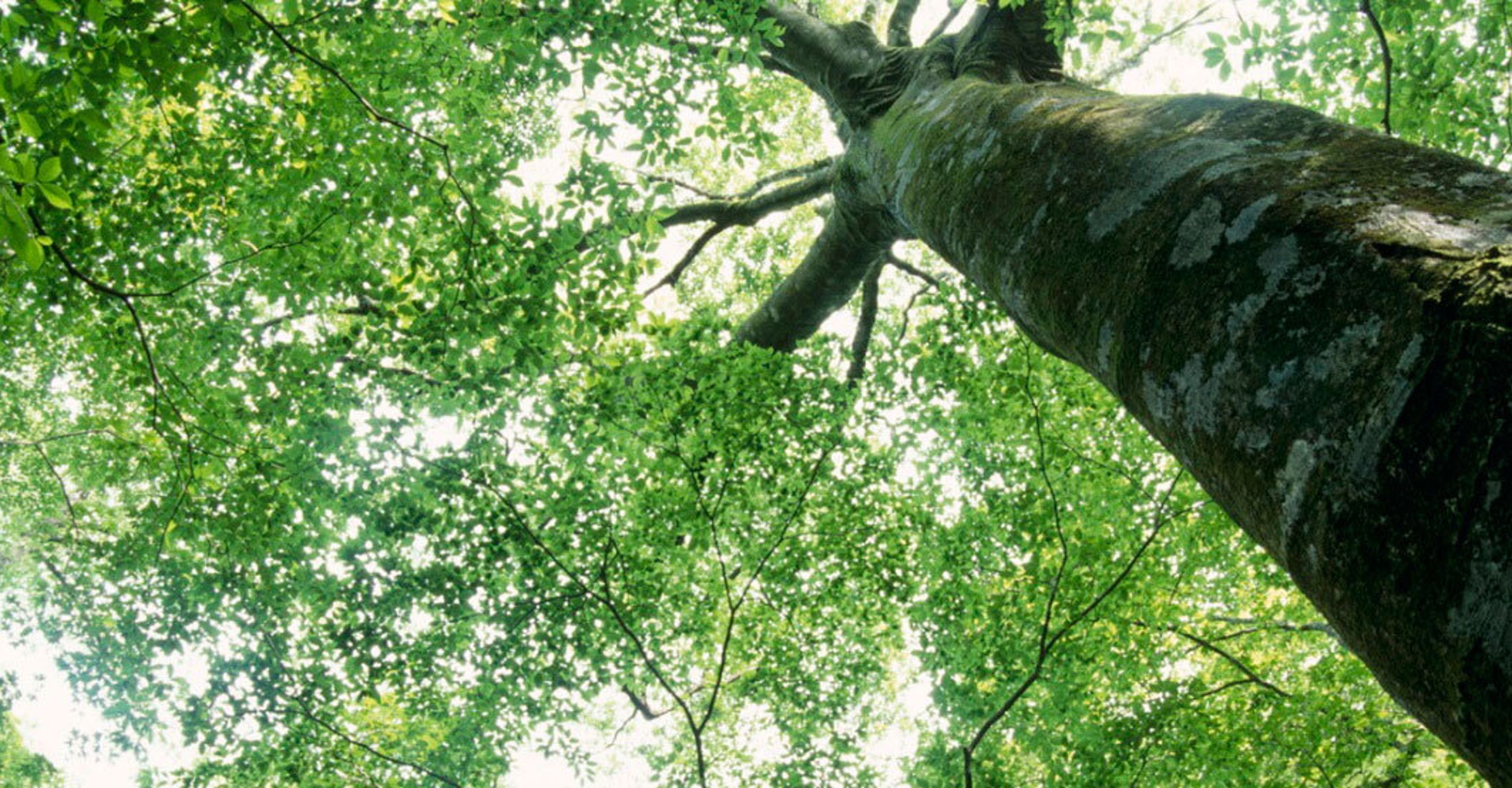
Many claims reported in the aftermath of severe weather events are caused by or involve downed trees. The common misconception is that the weather event caused the damage or caused the tree to fall. The reality is, in most cases, extreme weather only played a small part. An underlying issue weakened the tree long before the storm.
During a heavy rain storm, a large oak tree fell from a neighbor's property onto the detached garage of a PURE member. The massive tree caused extensive damage to the finished garage which included a second floor living area. Thankfully, no one was injured. The result was a homeowners claim nearing $150,000.
For PURE members, the average cost to remove a downed tree after a storm is close to $6,400, while the average cost to both remove the tree and repair any property damage exceeds $89,000. For some PURE members, that cost is significantly higher. However, by keeping the trees around your home healthy, you can reduce the likelihood that they will cause property damage in a future storm.
Watch for advice on how to care for your trees
Preventing property damage with tree care
The following advice can help to mitigate risk and protect your home.
Schedule an annual tree inspection
A certified arborist can evaluate your trees for health issues, hazards and recommend ways to reduce risk. They can also determine what species you have and guide their care. Our Risk Management Services team can assist you in scheduling a complimentary tree assessment.
A certified arborist can evaluate your trees for health issues, hazards and recommend ways to reduce risk. They can also determine what species you have and guide their care. Our Risk Management Services team can assist you in scheduling a complimentary tree assessment.
Prune trees to make them stronger
Proper trimming reduces wind resistance and removes dead or broken branches that might otherwise fall. Regular pruning helps increase a tree’s lifespan by as much as 30% while making them up to 20% less likely to lose branches during storms.
Proper trimming reduces wind resistance and removes dead or broken branches that might otherwise fall. Regular pruning helps increase a tree’s lifespan by as much as 30% while making them up to 20% less likely to lose branches during storms.
Protect trees during construction
When planning an addition or adding a patio, pool or other outdoor living space, take steps to safeguard root systems during excavation or landscaping. An arborist can recommend root barriers and other measures to preserve stability.
When planning an addition or adding a patio, pool or other outdoor living space, take steps to safeguard root systems during excavation or landscaping. An arborist can recommend root barriers and other measures to preserve stability.
Support strong roots with soil testing
Healthy soil supports strong, stable roots. A simple soil test can reveal whether your trees are getting the nutrients they need.
Healthy soil supports strong, stable roots. A simple soil test can reveal whether your trees are getting the nutrients they need.
Consider structural support
For larger trees, cabling or bracing may help minimize the risk of storm-related uprooting or breakage.
For larger trees, cabling or bracing may help minimize the risk of storm-related uprooting or breakage.
Collaborate with your neighbors
Be proactive about branches that cross property lines and discuss concerns before they become problems.
Be proactive about branches that cross property lines and discuss concerns before they become problems.
Apply mulch around tree roots
Lay a thin layer of composted mulch in fall or winter to help retain water and regulate temperature. Be sure not to pile mulch against the trunk.
Lay a thin layer of composted mulch in fall or winter to help retain water and regulate temperature. Be sure not to pile mulch against the trunk.
7 Warning Signs to Watch For
Learn some of the tell-tale signs that a tree may be unhealthy and at risk of causing damage. If you spot any of these issues on your property, particularly affecting trees near your home, contact an arborist to confirm the diagnosis and take action.
- Noticeable lean. Some trees have natural leans, while others, especially those with an excessive lean of 40° or more, should be looked at.
- Decay and damage. Holes in trees, fungus like mushrooms and large vertical cracks can be causes of concern. Common signs of decay include peeling, flaking bark and brittle branches.
- Co-dominant stem. Trees with co-dominant stems have a high risk of failure since they are structurally unstable.
- Crown and branches. Be wary of trees with crowns that have large, dead branches. This often indicates health issues.
- Evidence of root damage. Root damage will often manifest itself through the decline of tree parts above ground.
- Signs of infestation. Some PURE members choose rare or expensive trees to enhance their property. These trees may not have evolved defenses against pests, diseases or environmental changes, leaving them more susceptible. Some signs of insect infestation other than the tree looking unhealthy are bore holes in the tree itself or sawdust like material in the tree or nearby ground.
- Root strangulation. Visible roots growing in a circular pattern around the tree can gradually strangle it.