Advice from Brokers: Top Questions to Ask at Renewal

PURE Staff
When it comes to protecting your home and assets, a lot can change in a year. That’s why your annual insurance renewal is more than just a routine process, it’s an opportunity to make sure your coverage still fits your lifestyle—while factoring in savings where possible.
Top six questions to bring to your next renewal conversation
Some of our broker partners weighed in on which questions are the most important to ask when speaking with your broker and we share our take on why they matter.
1. What deductibles are right for me?
PURE’s take: Your deductible directly impacts both your premium and out-of-pocket costs in a claim. A higher deductible can lower your premium but means you’ll pay more if you have a loss, while a lower deductible (under $10,000) costs more upfront but reduces your out-of-pocket expense in the event of a claim. In addition to selecting a standard deductible, it’s important to understand that certain peril-specific deductibles may also apply to your homeowners policy. Some homeowners policies include separate deductibles for events such as hurricanes, wind or named storms, hail, earthquakes or for homes that are vacant or under construction. These are often calculated as a percentage of your home’s insured value rather than a flat dollar amount.
Auto deductibles apply to collision and comprehensive coverages and may vary based on a member’s risk tolerance and vehicle value. Additional auto-related deductibles may also apply, including those for glass claims and, in some states, for uninsured/underinsured motorists.
Your broker can help you understand these options and select the combination of deductibles that best fits your needs.
 |
Question from Scott Ragaini, Practice Leader – Fieldstone Insurance Group |
2. Are there loss prevention measures I can take to help reduce my premium?
PURE's take: Water damage, like plumbing leaks and appliance failures, is the most common cause of loss and disruption for PURE members, while home fires are often one of the most costly and severe. In 2024, roughly 1 in 50 members suffered a water damage claim and just over 20% of other losses were caused by home fires. The good news? There are steps you can take to reduce your risk—and potentially lower your premium.
Ask your broker what actions you can take to help prevent common losses and qualify for homeowners credits that can reduce the cost of your premium.
3. Should I consider flood insurance?
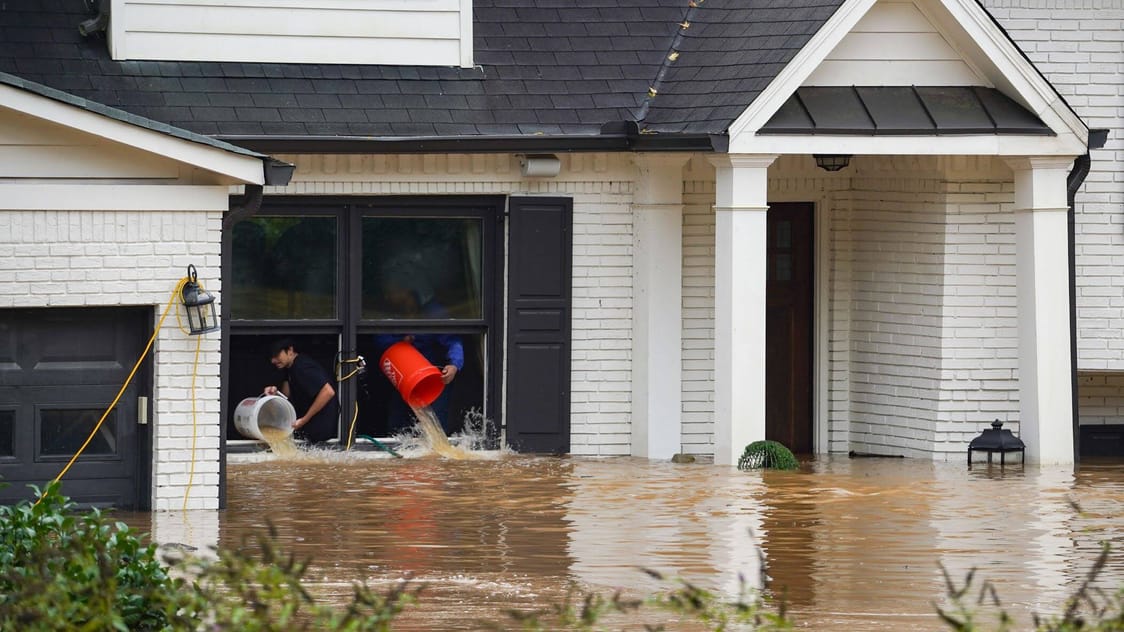
PURE's take: Flooding has quietly become the country’s most costly natural hazard, fueled by heavier rain, aging infrastructure and rising seas. Yet many homeowners still underestimate their exposure. FEMA reports that about 40% of NFIP flood claims come from outside of “high-risk flood zones.” With flooding no longer confined to areas historically known for flood risk, we recommend coverage for this increasingly common loss.
Ask your broker if you should include flood coverage in your current policy as an endorsement or consider a standalone policy.
 |
Question from Leslie Elliott, Partner – Swingle Collins & Associates |

Flood coverage with PURE
PURE's primary flood coverage is an optional endorsement on our homeowners policy. It provides higher limits than what is offered by the National Flood Insurance Program (NFIP) to ensure your home can be rebuilt to its same likeness despite rising construction costs, includes coverage for your basement and can be tailored to meet your unique needs.
4. What cyber coverage is available to me, given how much of our lives—and our children’s lives—are now digital?
PURE's take: Most financial institutions only cover fraud tied directly to your bank accounts—and only when they’re legally obligated to. But today’s threats go far beyond that. We’re seeing more losses tied to social engineering scams, extortion, device compromise, cyberbullying and even third-party liability—none of which are typically covered by your bank. According to the FTC, a record $12.5 billion was lost to scams in the U.S. in 2024, an increase of over $2 billion from 2023. High net worth individuals are often at a greater risk due to their lifestyles and assets.
That’s where personal cyber insurance comes in. It’s designed to protect you and your family from the broader, fast-evolving landscape of cyber threats. Ask your broker if your policy includes this coverage or if it can be added as an endorsement.
 |
Question from Luke Anderson, Managing Principal, Midwest – EPIC Private Client |

PURE's cyber and fraud insurance coverage
From identity theft to phishing emails, phone scams and more, fraud and cybercrime are on the rise as criminals find new ways to exploit vulnerabilities. And, due to their wealth and uniquely complex lives, high net worth individuals are at a greater risk of being targeted. To help you respond to these risks, our fraud and cyber coverage is an optional endorsement designed to enhance our high value homeowners policy by adding coverage for losses caused by fraud and cybercrime and providing access to resources to help you recover if you become a victim.
What is cyber insurance coverage? Learn more.
5. Why is my home insured for more than it's worth?
PURE's take: Our focus is on ensuring you have the right amount of coverage to rebuild your home if the unexpected happens. That’s why we insure your home based on the cost to rebuild it—not its market value. This approach reflects current design and construction costs, specialty materials and features and the level of craftsmanship that makes your home unique. In some custom or historic homes, these rebuilding costs can even exceed the home’s market value.
Many of our policies include an additional cushion above your insured amount to help cover unforeseen increases in rebuilding costs, so you aren’t left with a gap. Our goal is to help you recover fully and confidently, no matter what comes your way.
 |
Question from Rick Kaufman, Senior Advisor, Private Client Services – Marsh McLennan Agency |
6. When should I schedule jewelry and how often should appraisals be updated?
PURE's take: Jewelry that’s worn often or has meaningful value is best scheduled, so it’s protected for its full, retail replacement value. This ensures broader protection and avoids limitations that may apply under your homeowners policy. Whenever you acquire a new piece—whether through purchase, gift or inheritance—notify your broker or PURE as soon as possible so it can be added to your policy without a gap in coverage. A PURE Collections policy also provides automatic coverage for newly acquired pieces for up to 90 days, giving you peace of mind if you can’t update your schedule right away.
It’s not just major pieces that should be scheduled—many members are surprised by how much jewelry they accumulate over time, and it’s often the smaller or more sentimental items that are most easily lost. Scheduling these items with detailed descriptions allows PURE to help replace cherished pieces accurately and, when possible, create precise replicas.
If the value of a scheduled piece appreciates, your policy provides coverage up to 150% of the scheduled value, offering an added buffer against market changes. To keep values current, we generally recommend updated appraisals every three to five years or sooner if the market or the piece itself has changed.
 |
Question from Anthony Roman, Executive Vice President, Private Client – HUB International |
Coverage and benefits are only available in the event of a covered claim and all coverage is subject to the terms of the policy as issued.